Embrace the Grain
Analogue photography is more than just a medium; it's a craft, an art form, and a testament to patience and skill. From the earliest pinhole cameras to the resurgence of film in the digital age, this page explores the rich history of analogue photography and why it continues to captivate photographers today.

A brief timeline of analogue photography
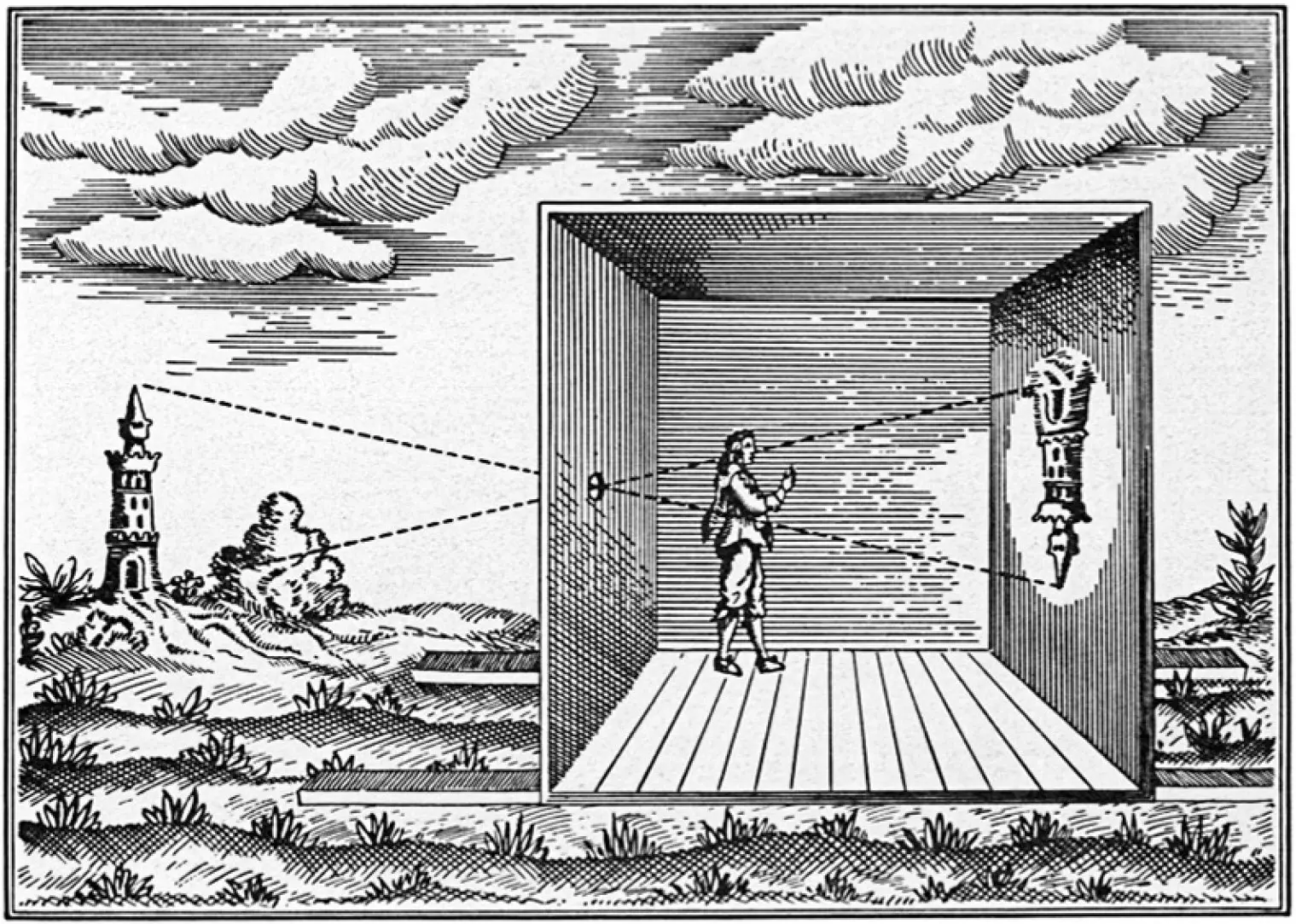
From ancient camera obscuras to modern film cameras, analogue photography's journey spans centuries of innovation and artistry. This fascinating timeline charts the evolution of light-capturing technology, showing how photography transformed from an arcane chemical process into a beloved artistic medium accessible to everyone.
The early beginnings (5th century BCE – 1830s)
- The concept of the Camera Obscura was first described by Chinese and Greek philosophers.
- 1816: Nicéphore Niépce creates the first partially successful photograph using a small camera and paper coated with silver chloride.
- 1826/1827: Niépce captures View from the Window at Le Gras, the earliest surviving photograph.
- 1829: Niépce partners with Louis Daguerre, laying groundwork for future innovations.
The birth of photography (1830s – 1880s)
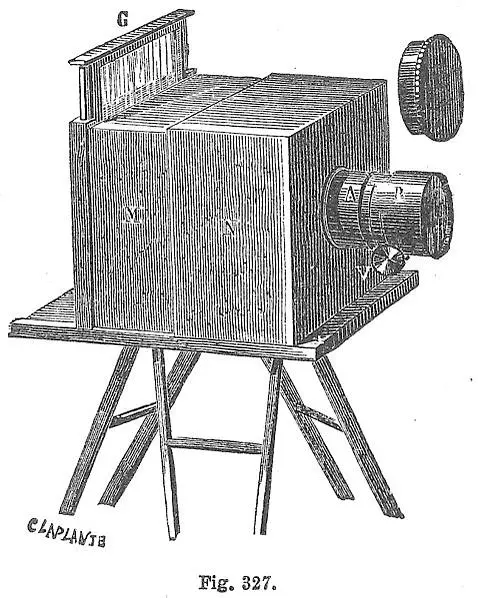
- 1839: Louis Daguerre invents the daguerreotype, the first commercially successful photographic process.
- 1841: William Henry Fox Talbot develops the calotype, introducing the negative-positive process.
- 1851: Frederick Scott Archer introduces the collodion process, dramatically reducing exposure times.
- 1871: Richard Leach Maddox invents the gelatin dry plate, eliminating the need for immediate exposure.
- 1888: George Eastman launches the Kodak box camera, making photography accessible to the public.
The rise of film photography (1900s – 1950s)
- 1900: Kodak introduces the Brownie camera, making photography even more affordable.
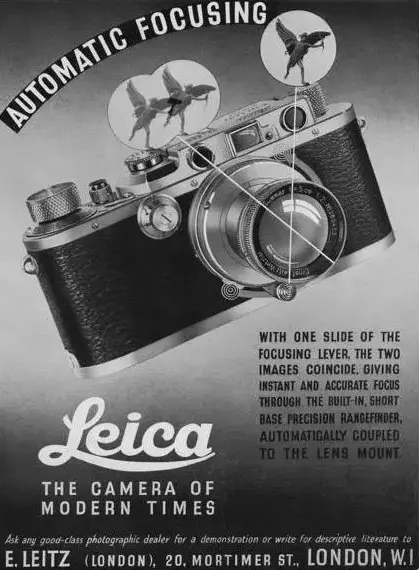
- 1913: Oskar Barnack develops the prototype for what would become the Leica camera.
- 1925: Leica introduces the Leica I, pioneering 35mm photography.
- 1935: Kodak launches Kodachrome, the first successful colour film.
- 1942: Agfa introduces Agfacolor negative film for consumer use.
- 1947: Polaroid introduces the first instant camera, revolutionising amateur photography.
The golden age of film (1960s – 1990s)
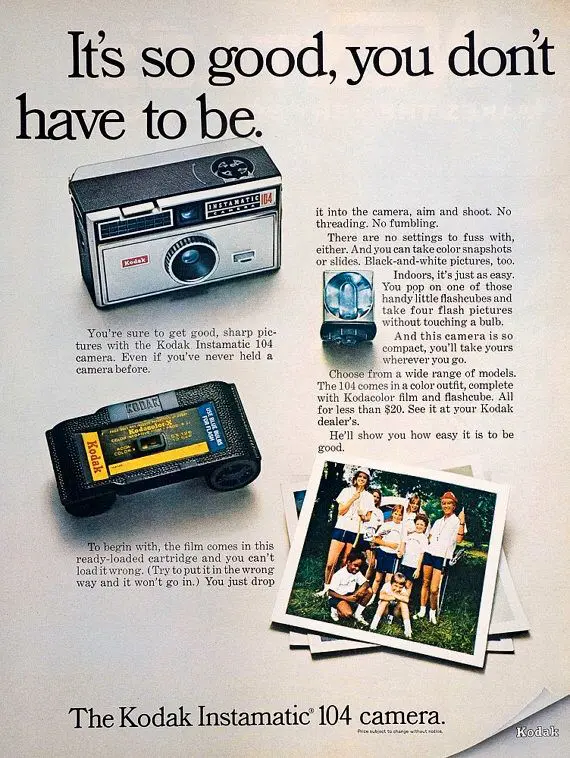
- 1963: Kodak introduces the Instamatic camera with easy-loading cartridge film.
- 1972: Polaroid releases the SX-70, the first instant SLR camera.
- 1976: Canon releases the AE-1 Program, one of the first cameras with a microprocessor.
- 1980: Nikon introduces the F3, used by photojournalists worldwide.
- 1986: Fujifilm introduces the disposable camera, further democratising photography.
- 1990s: The rise of high-quality point-and-shoot cameras like the Contax T2 and Yashica T4.
The decline and resurgence of analogue (2000s – present)
- 2000s: Digital photography overtakes film, leading to the discontinuation of many film stocks.
- 2004: Polaroid announces it will stop manufacturing instant film cameras.
- 2008: The Impossible Project (now Polaroid Originals) begins producing new instant film for classic Polaroid cameras.
- 2010s – Present: A resurgence of interest in analogue photography sees the re-release of classic film stocks and the rise of instant and 35mm photography among younger generations.
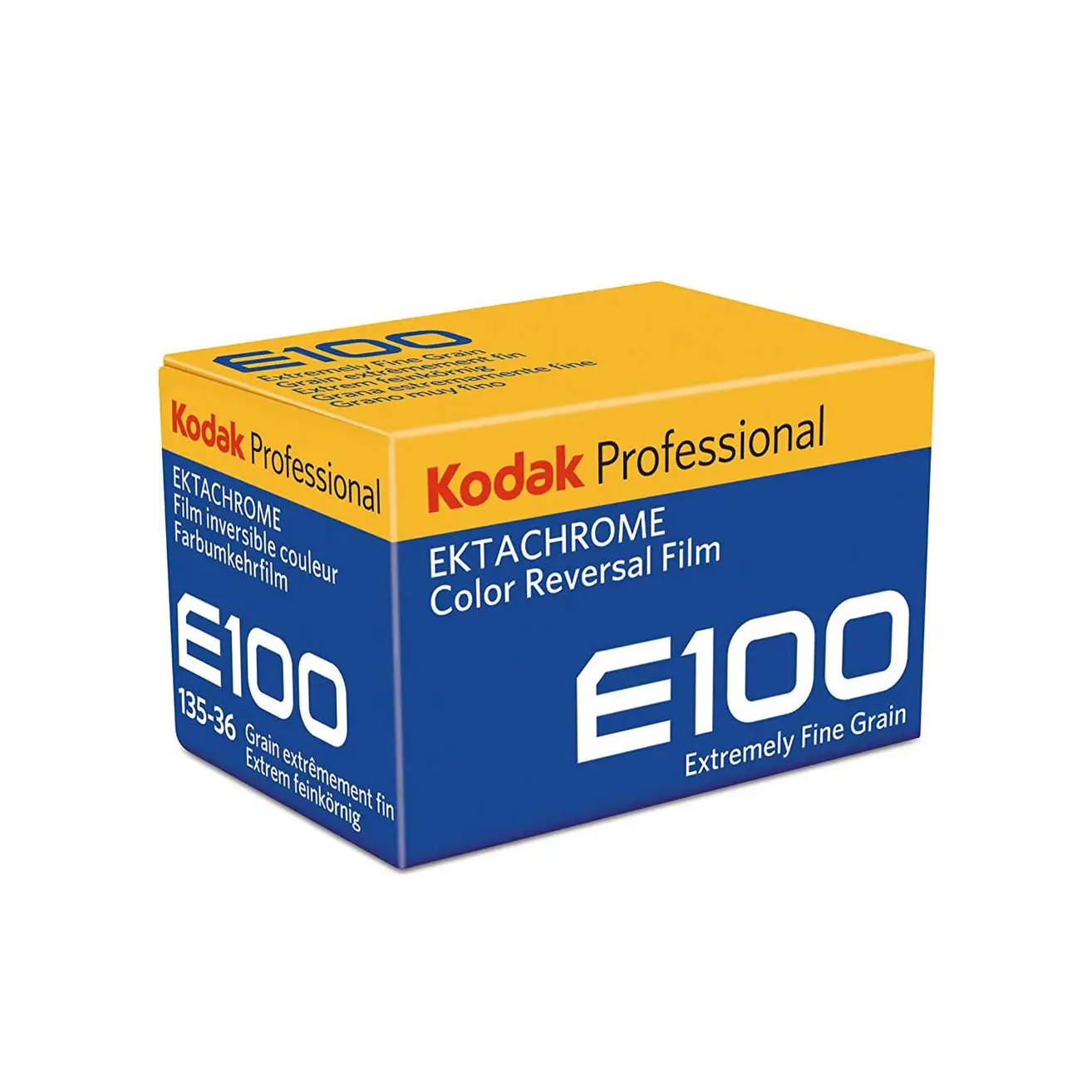
- 2017: Kodak announces the return of Ektachrome film after years of discontinuation.
- 2022: Film shortages become common as demand outstrips manufacturing capacity.
Masters of the lens
These remarkable artists transformed 20th-century photography through their distinctive styles and technical innovations, creating powerful images that continue to resonate with viewers today.
Dorothea Lange
(1895–1965)
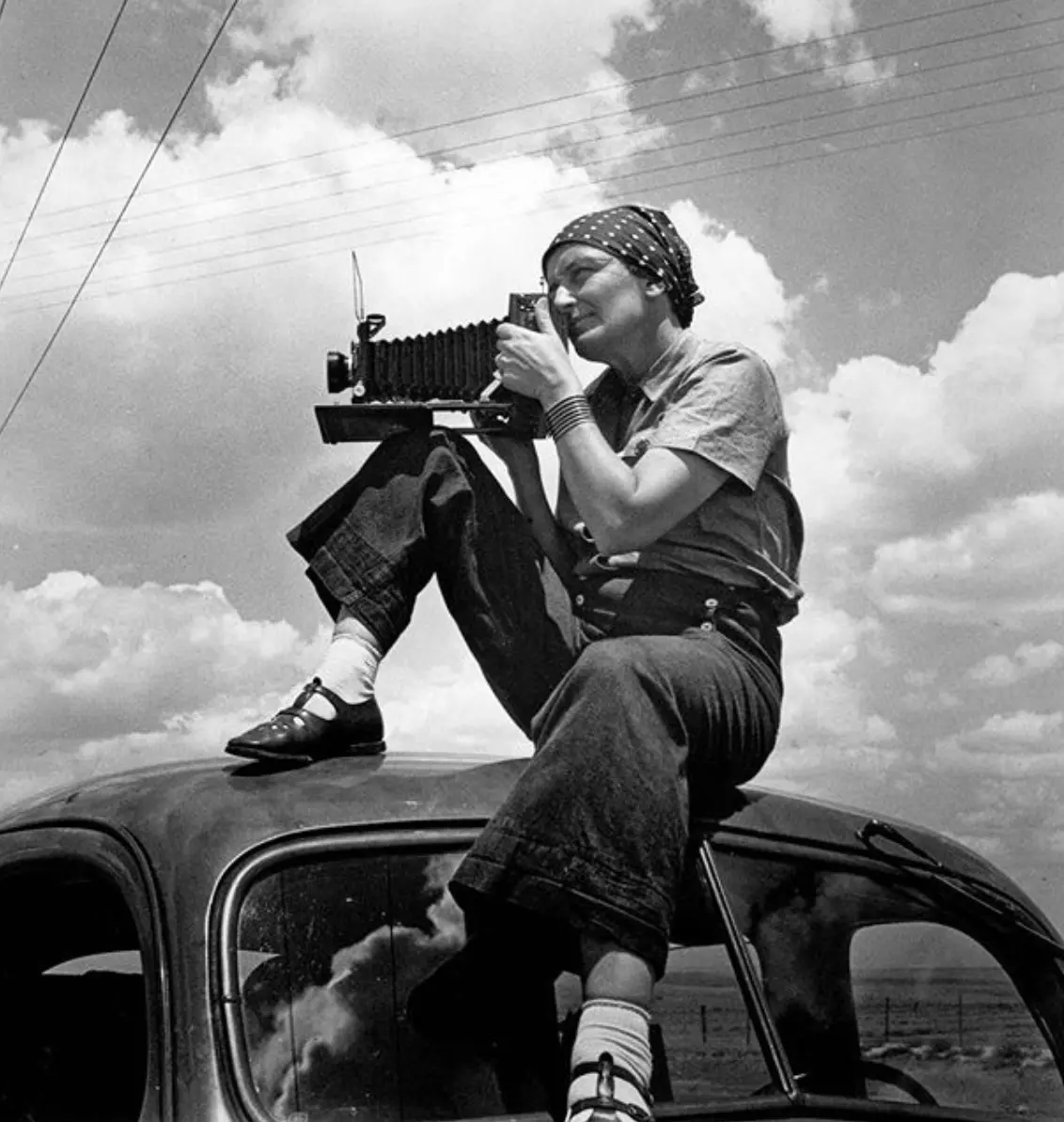
Dorothea Lange began with a portrait studio before venturing into documentary photography during the Great Depression. Despite childhood polio, she travelled extensively documenting the harsh conditions faced by displaced families and migrant workers.
Her work for the Farm Security Administration produced iconic images that humanised economic disaster and influenced government policy. Lange's approach combined technical precision with profound empathy, establishing documentary photography as a powerful tool for social change.
Known for: Documentary Photography and Social Reform
Ansel Adams
(1902–1984)
Ansel Adams began photographing Yosemite as a teenager, developing a lifelong commitment to America's wilderness. Initially trained as a pianist, he brought the same discipline to photography, meticulously planning compositions and developing complex darkroom techniques.
Adams co-founded Group f/64, advocating for sharp-focus photography. His Zone System for determining optimal exposure transformed photographic technique. Beyond his artistic legacy, Adams was a passionate environmentalist whose images helped expand the U.S. National Park system.
Known for: Environmental Conservation Photography and the Zone System

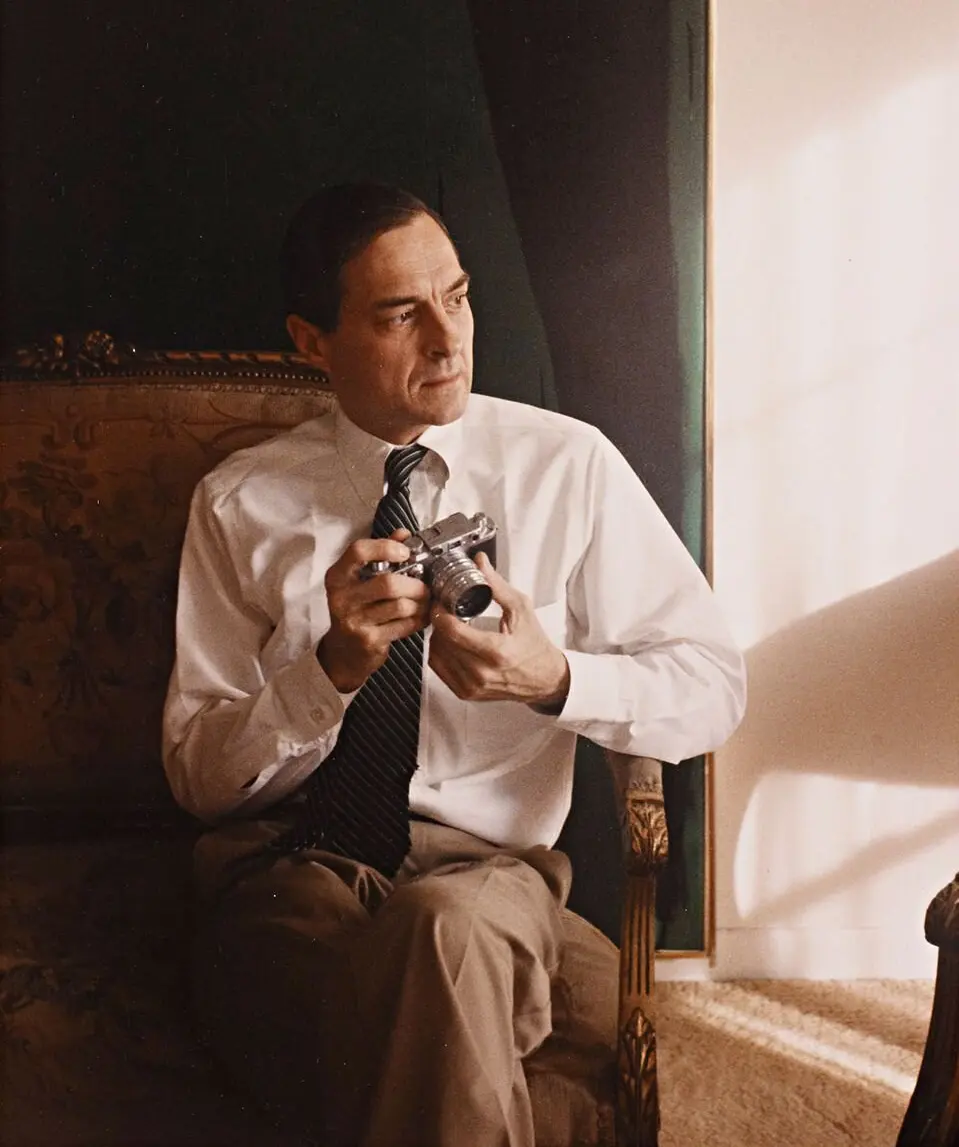
Henri Cartier-Bresson
(1908–2004)
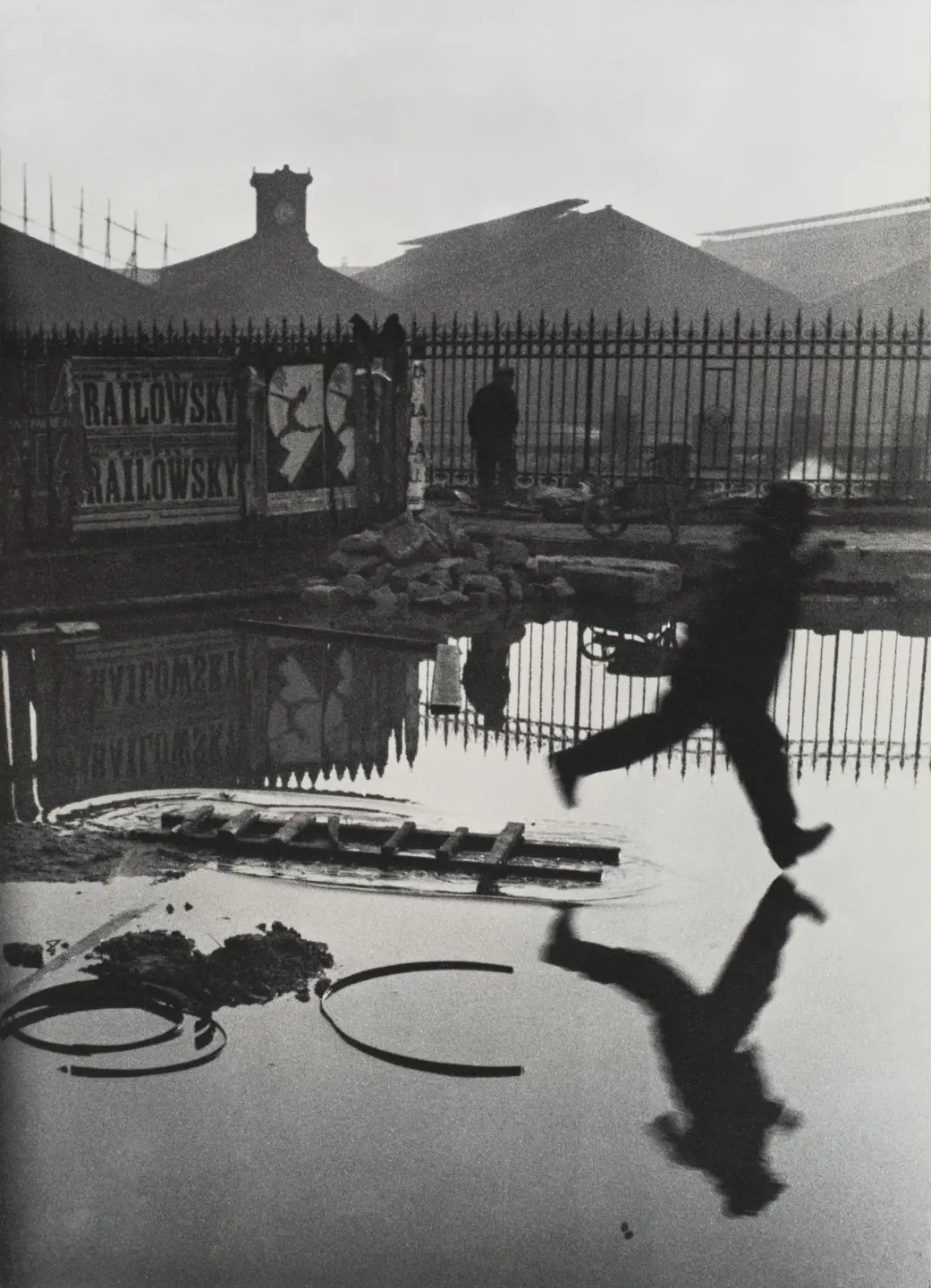
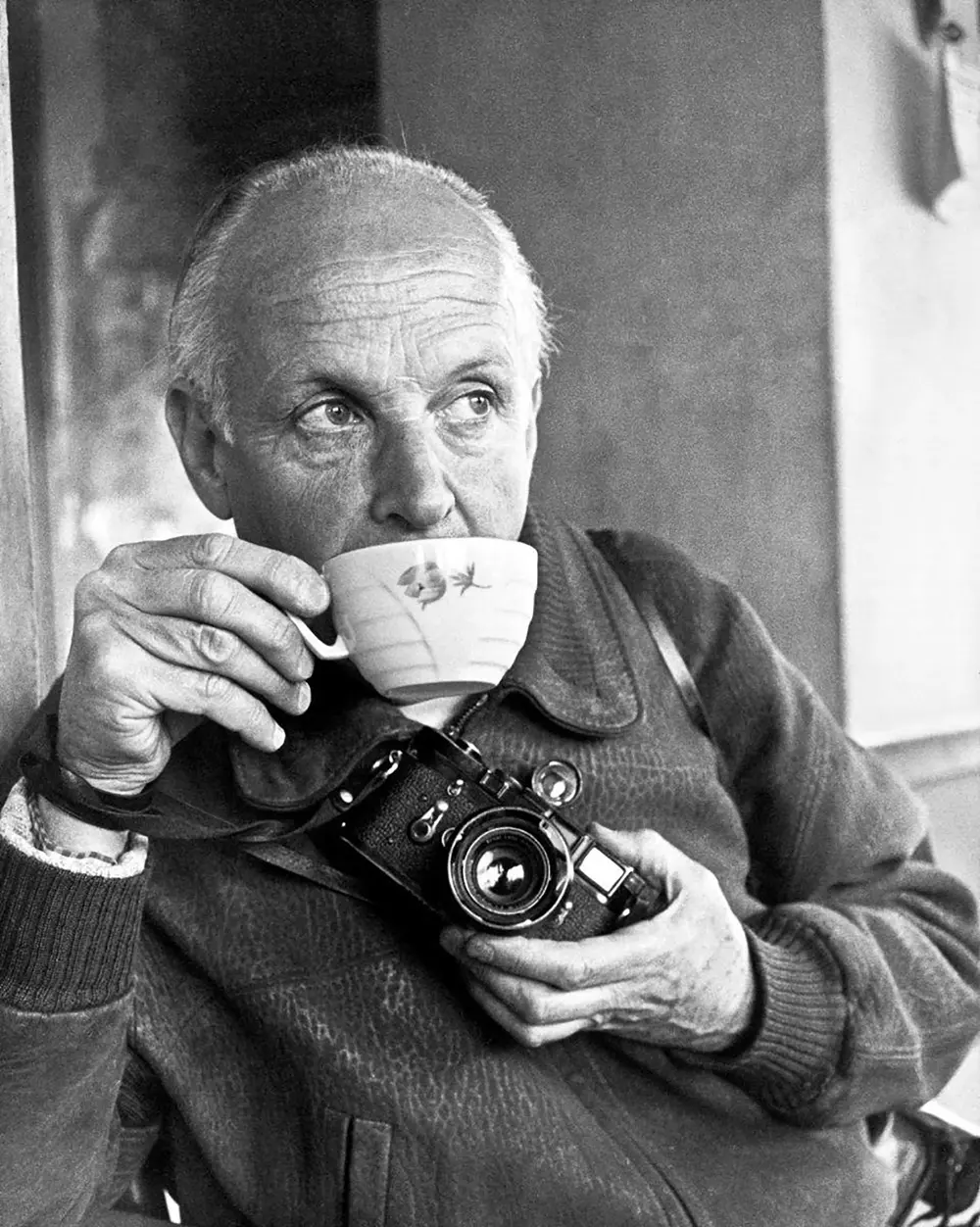
Henri Cartier-Bresson began as a painter before discovering photography in the late 1920s. After purchasing his first Leica in 1932, he developed a style characterised by precise composition and timing, with his painting background influencing his emphasis on geometry.
Co-founding Magnum Photos in 1947, he documented major historical events worldwide. His philosophy of the "decisive moment"—capturing the precise instant when visual and psychological elements align—established him as the father of modern photojournalism.
Known for: The "Decisive Moment" and Humanist Photography
Helmut Newton
(1920–2004)
Helmut Newton, born in Berlin, fled Nazi Germany in 1938 before establishing himself in Paris. Beginning his career in the 1950s, he developed a distinctive style characterised by bold, provocative images that challenged conventional notions of fashion and female representation.
Newton's work for magazines like Vogue revolutionised fashion photography with its cinematic quality and overt sexuality. His black-and-white photographs often featured powerful women in scenes suggesting complex power dynamics. Despite controversy, Newton maintained his images celebrated female strength.
Known for: Provocative Fashion Photography

Vivian Maier
(1926–2009)
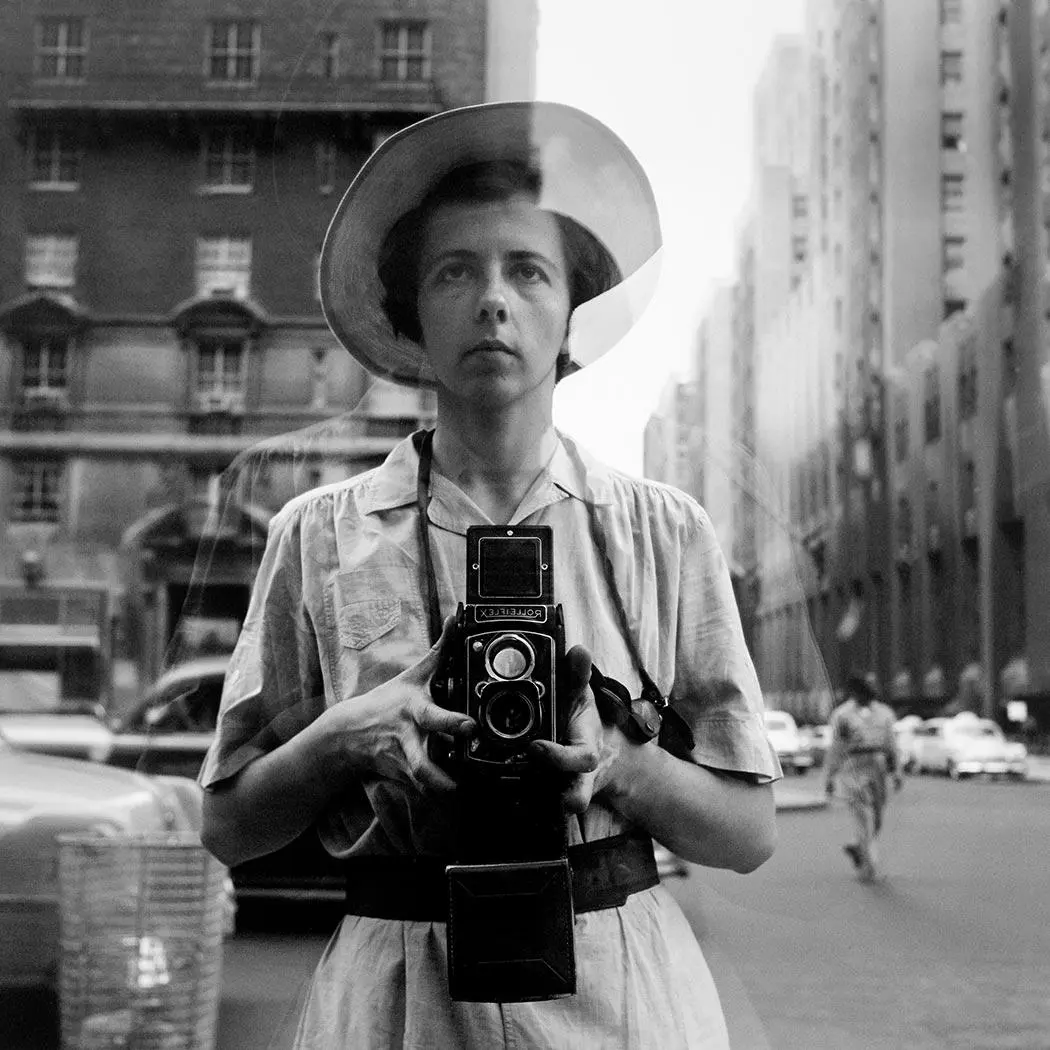
Vivian Maier worked as a nanny while secretly producing an extraordinary body of photographic work. Born to European parents, she developed a unique outsider's perspective that informed her street photography throughout her intensely private life.
Discovered by chance in 2007, her archive included over 100,000 negatives of striking street scenes and innovative self-portraits. Her compositions demonstrate remarkable technical skill and understanding of human behaviour, earning posthumous recognition as one of the most significant street photographers of the 20th century.
Known for: Street Photography and Self-Portraiture
William Eggleston
(1939–Present)
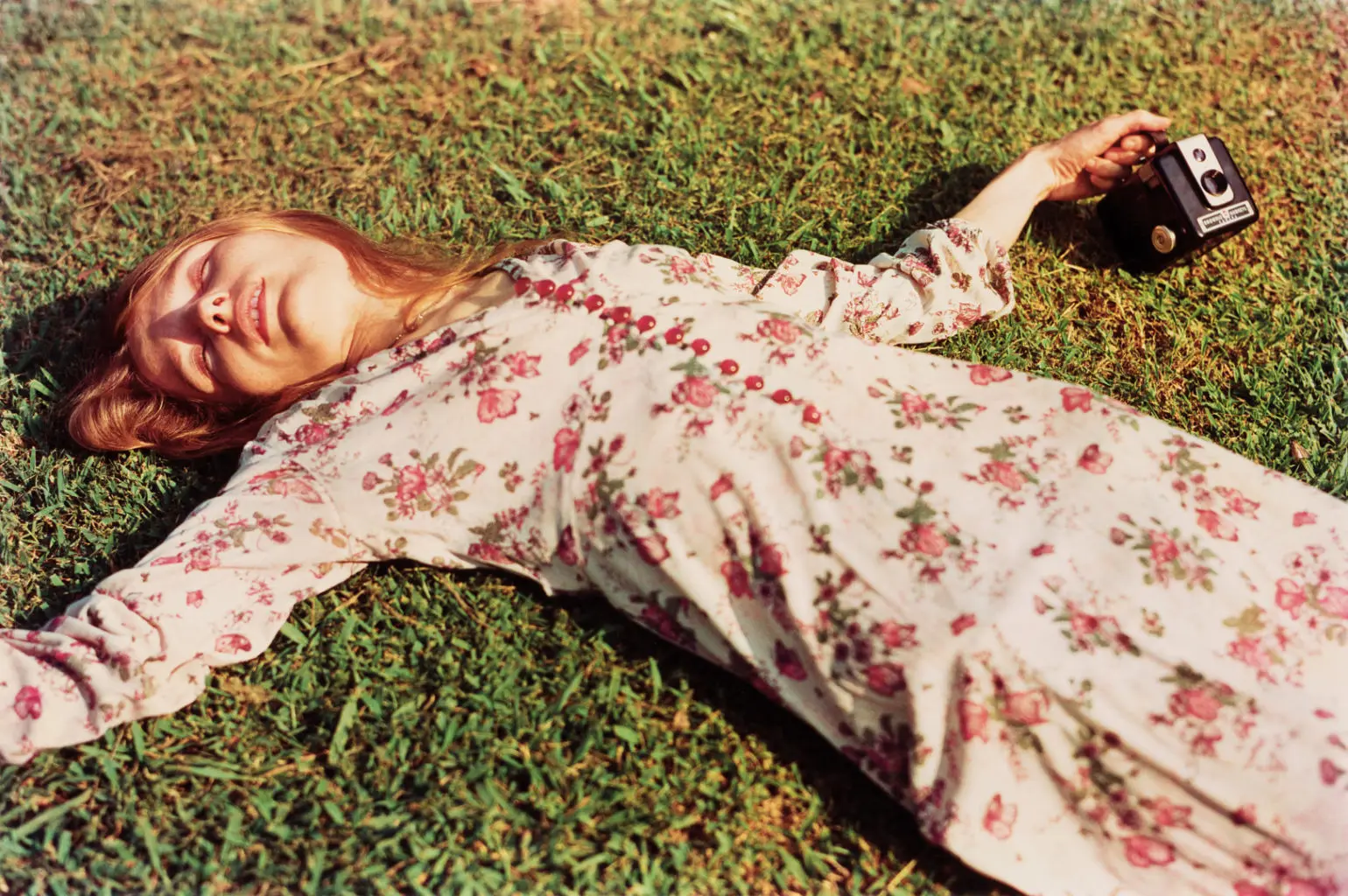
William Eggleston grew up in the American South, where distinctive light and vernacular culture later defined his photographic vision. After experimenting with black and white photography, he discovered colour film in the 1960s and began documenting everyday American landscapes with artistic attention to mundane subjects.
His 1976 exhibition at the Museum of Modern Art established colour photography as legitimate fine art. Eggleston's dye-transfer printing process produced richly saturated colours that transformed banal subjects into mesmerising studies of light and form. His democratic approach to subject matter revolutionised contemporary photography.
Known for: Pioneering Colour Photography as a Fine Art Medium
Defining moments of craft
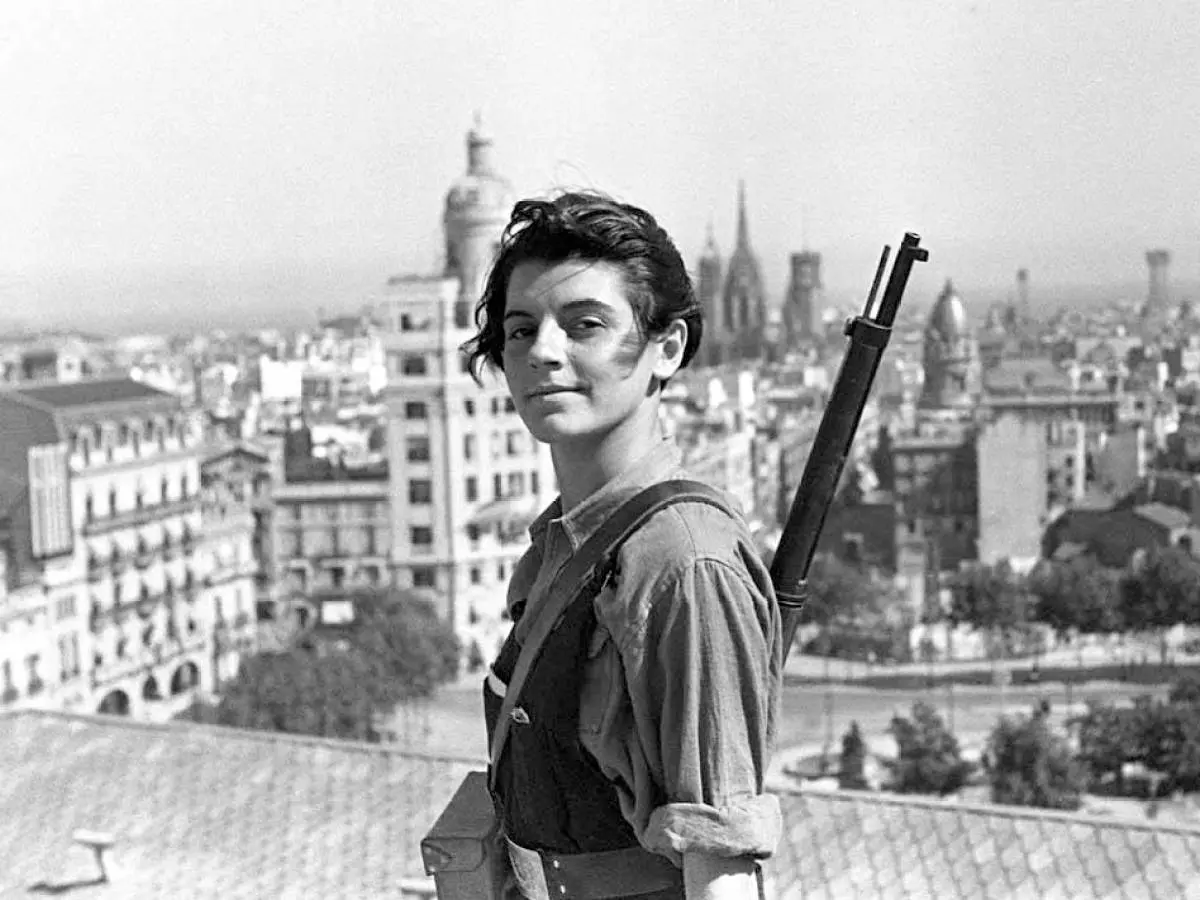
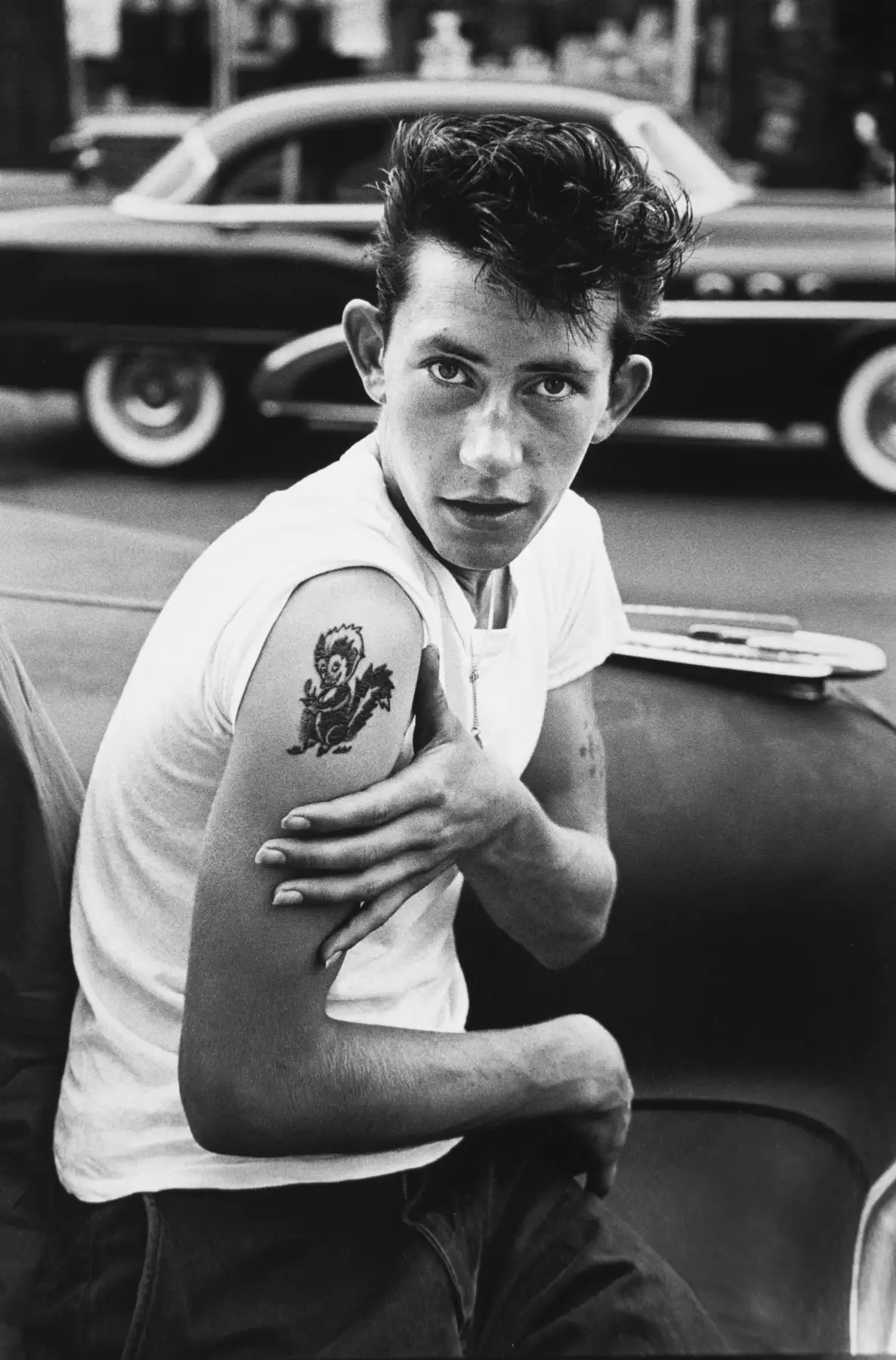
These striking images showcase the diverse styles that defined analogue photography's golden age—from perfectly timed street scenes and majestic landscapes to unflinching portraits and groundbreaking fashion photography. Each photograph demonstrates not only technical mastery but also reveals how these visionaries transformed ordinary moments into extraordinary visual statements that continue to influence photographers today.

Migrant Mother, 1936
Dorothea-Lange

Moon and Half Dome, 1960
Ansel Adams
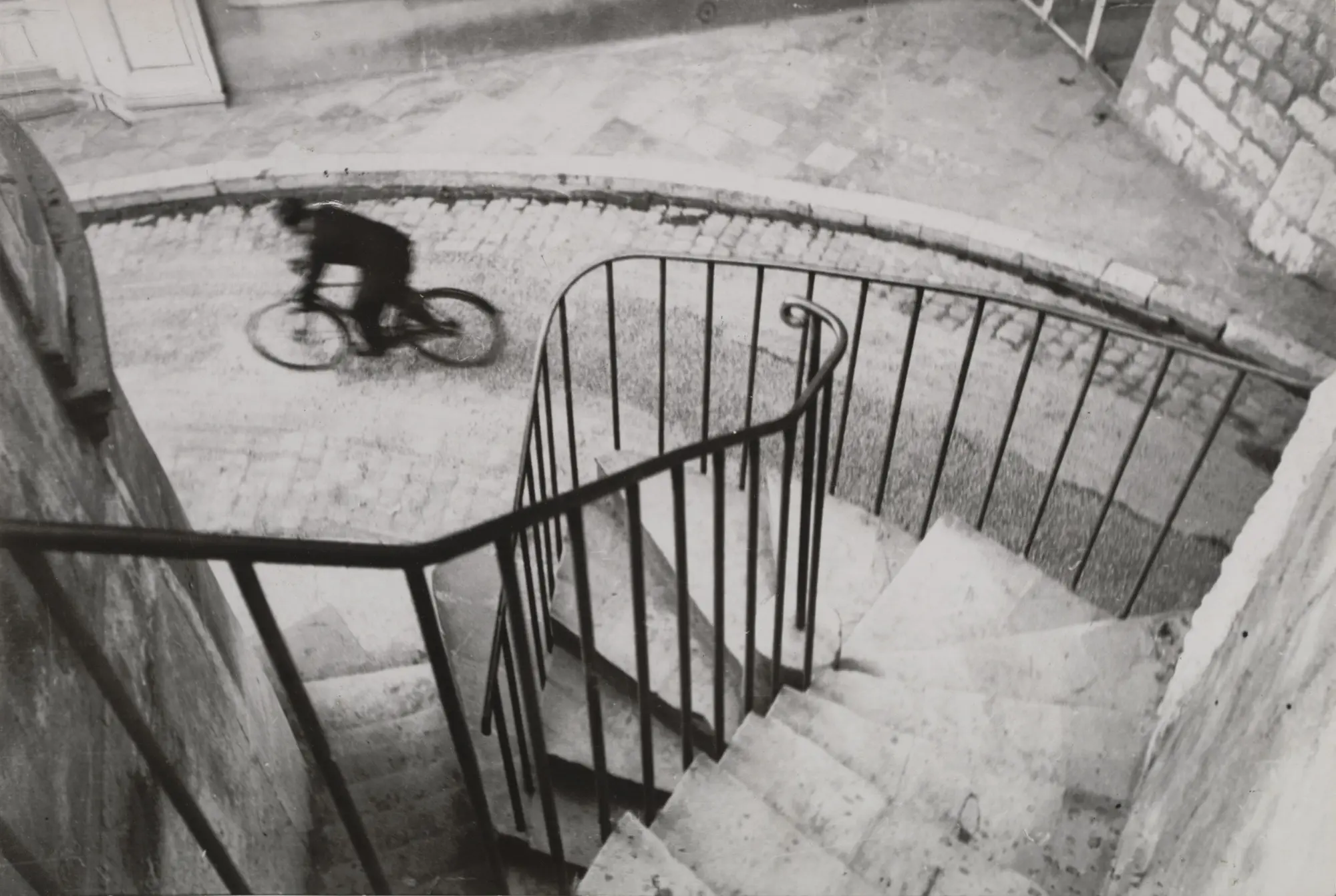
Hyères, France, 1932
Henri Cartier-Bresson
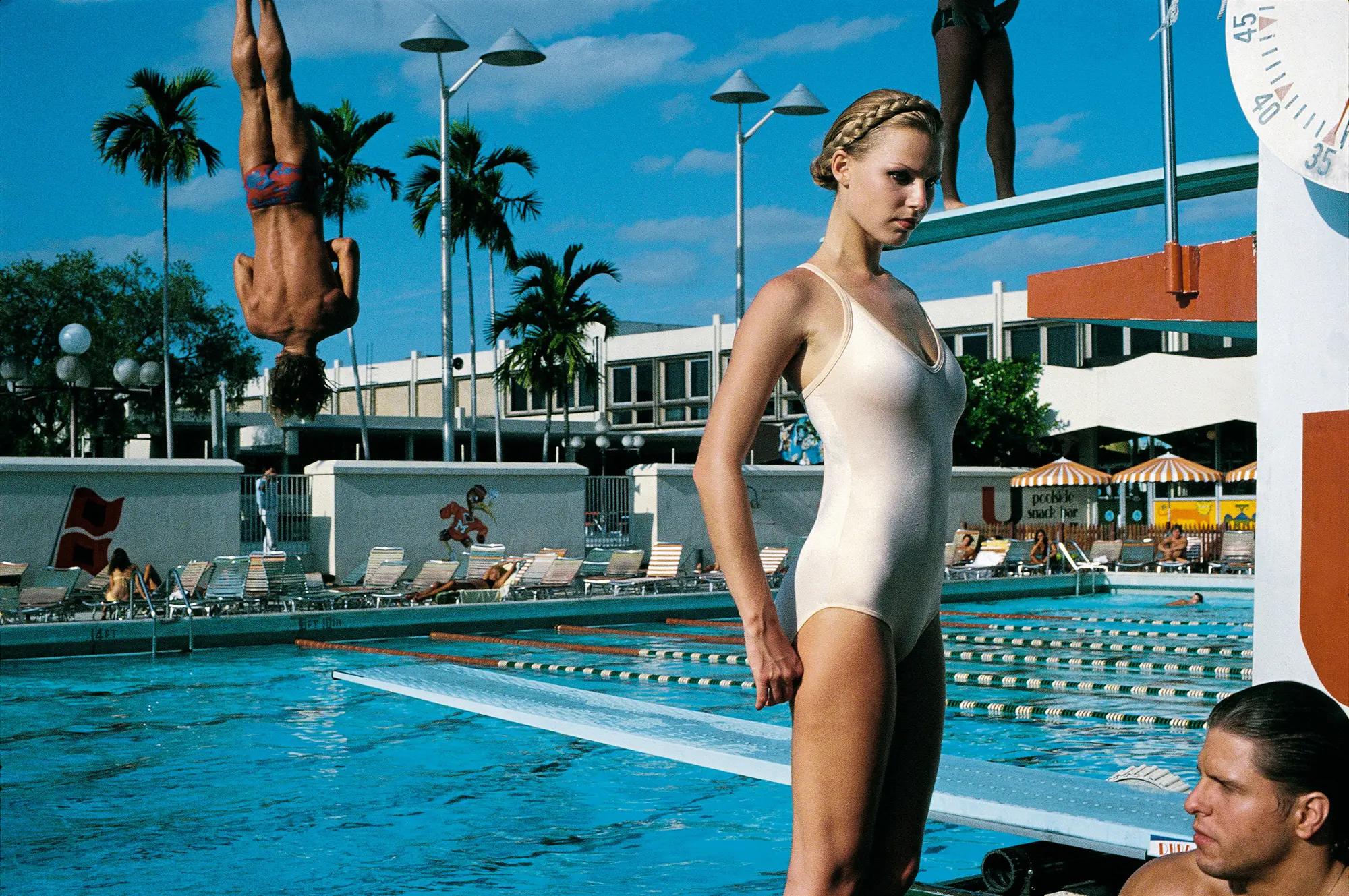
Bergstrom at the University of Miami Pool, Florida, 1978
Helmut Newton
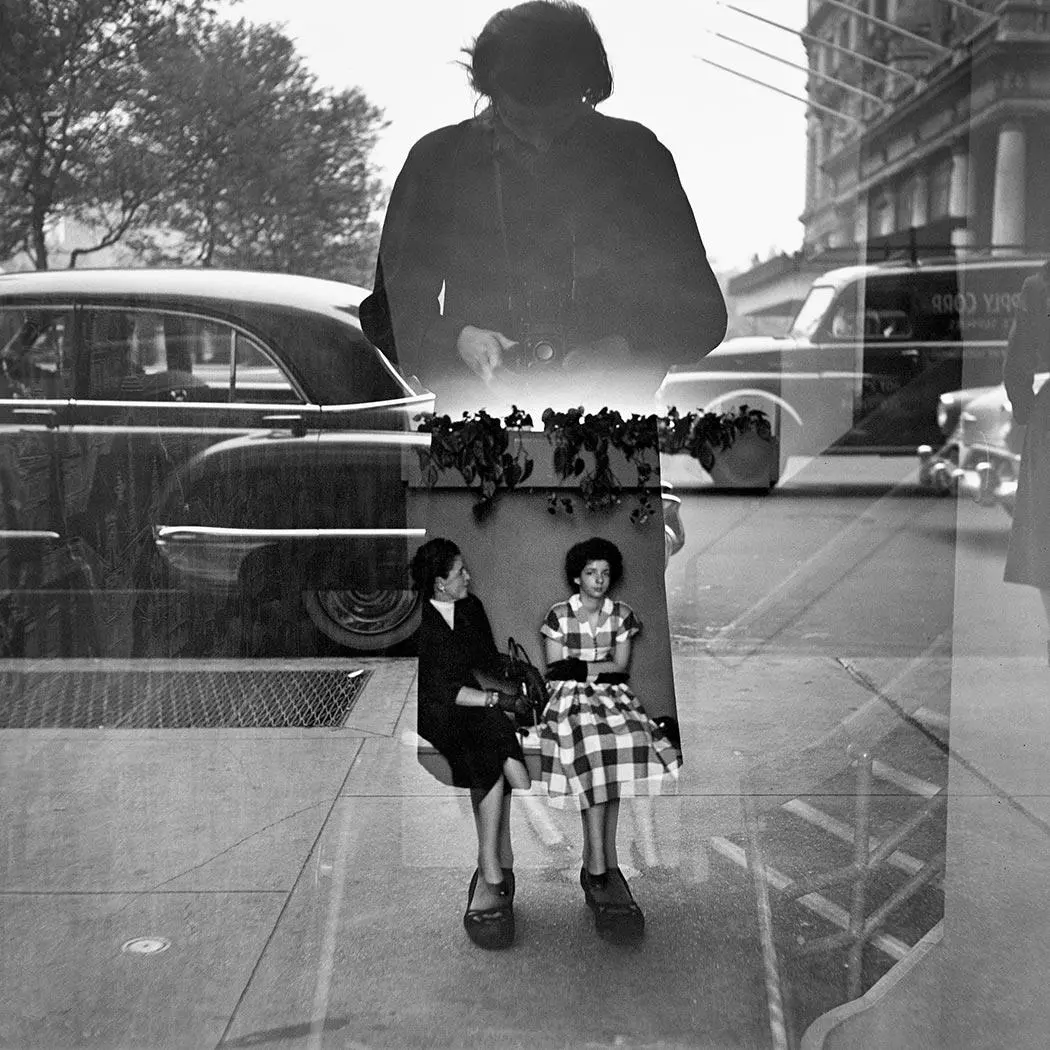
Self Portrait, 1954
Vivian Maier
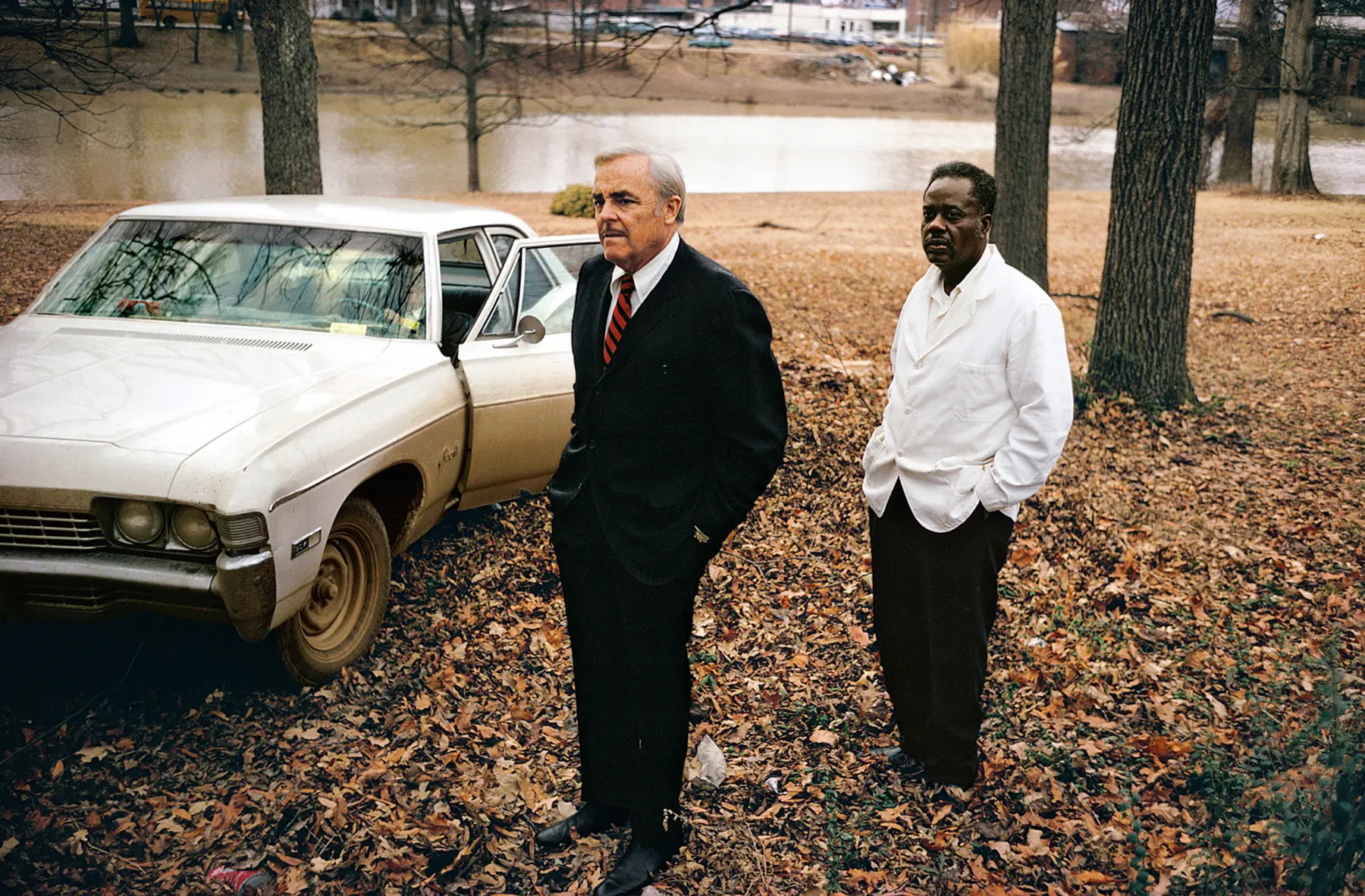
American b.1939, Untitled 1969-70
William Eggleston
Iconic cameras that changed photography
These revolutionary cameras transformed photography. Each represents a perfect marriage of engineering and design, combining innovative technology with thoughtful ergonomics to create tools that expanded creative possibilities and captured defining moments in our collective history.
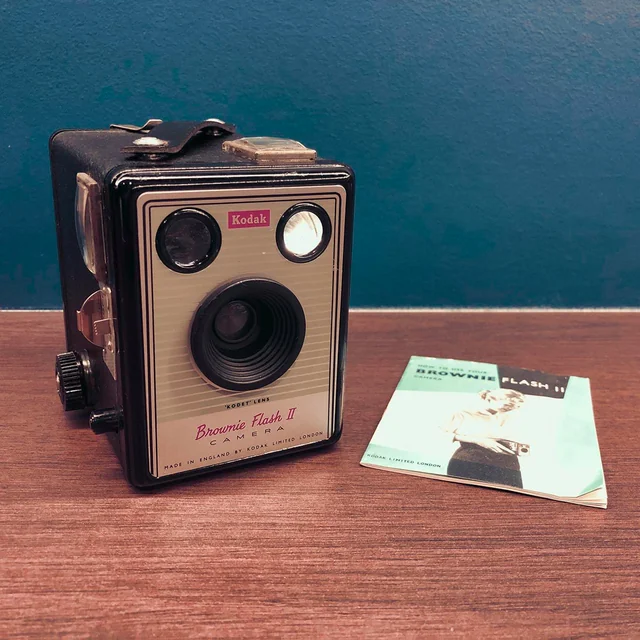
The People's Camera (1900–1960s)
Units Sold: Over 150 million
The Kodak Brownie democratised photography with its £1 price tag, transforming an elite pastime into a widely accessible hobby. Its simple cardboard design required no technical knowledge, while daylight-loadable film eliminated the need for darkroom skills.
The Brownie created the first generation of casual photographers and established the snapshot aesthetic that defined 20th-century vernacular photography. The Brownie 127 became Britain's best-selling camera in the 1950s, with its distinctive rounded design symbolising post-war optimism.
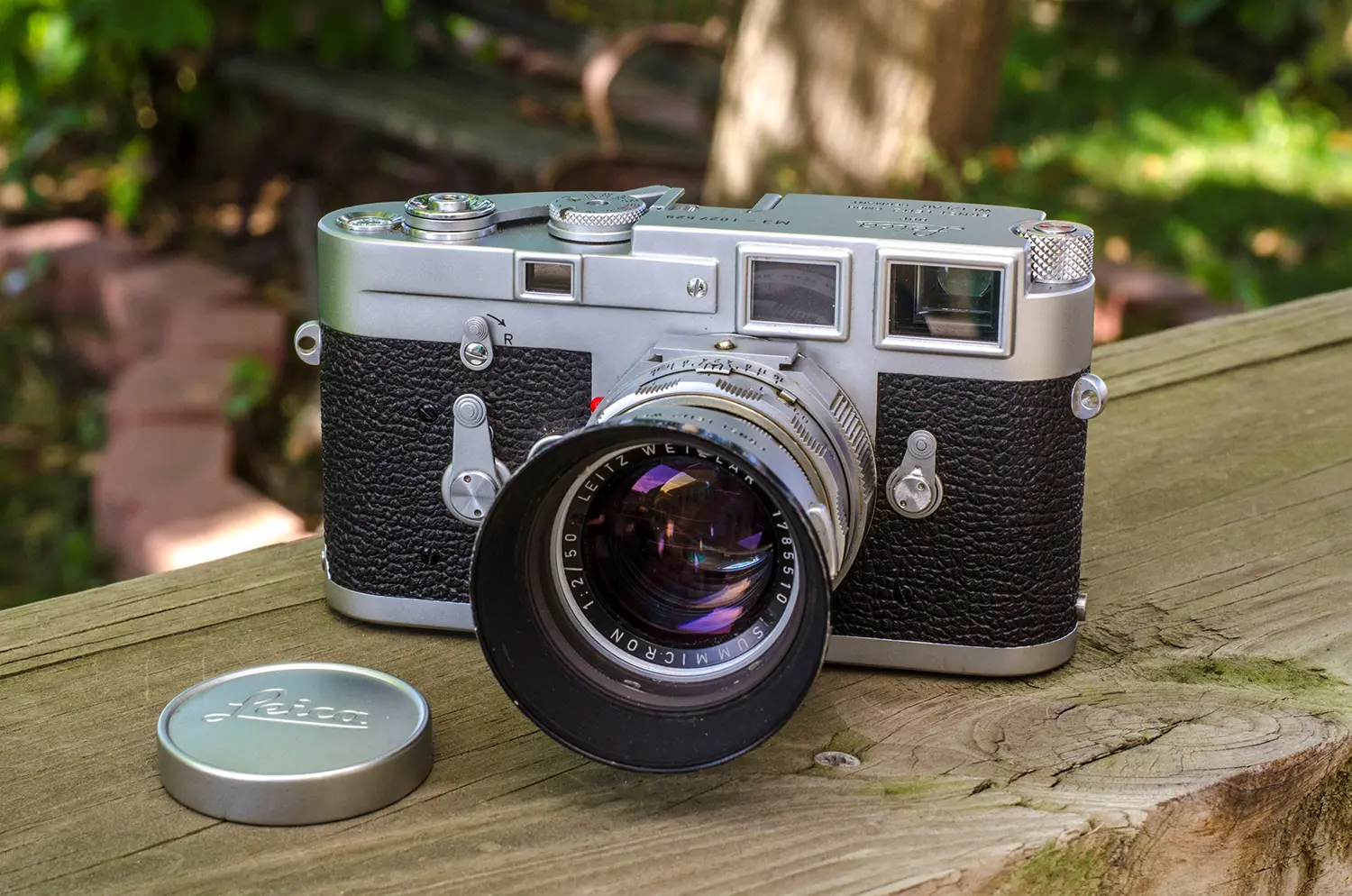
The Decisive Moment Machine (1954–1966)
Units Sold: Over 220,000
The Leica M3 represents the pinnacle of mechanical rangefinder perfection. Its innovative bright-line viewfinder with multiple frame lines and precise focusing mechanism gave photographers unparalleled control, while its whisper-quiet cloth shutter enabled discreet documentary work.
The M3's ergonomic design influenced cameras for decades, with its elegant proportions setting the standard for handling. Its bayonet mount system remained compatible across nearly 70 years, creating an ecosystem of exceptional lenses that photographers could invest in across generations.
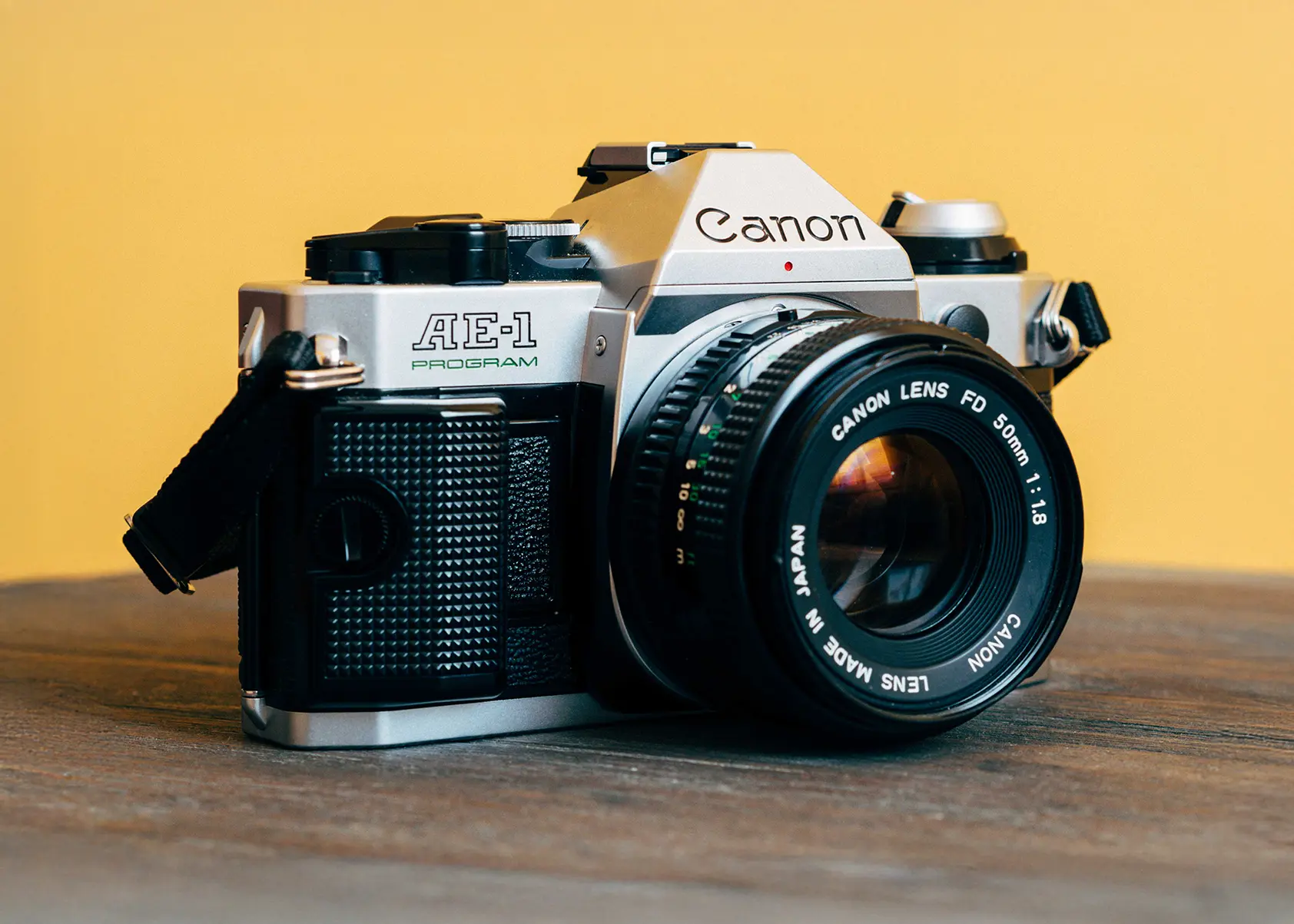
The SLR for Everyone (1981–1987)
Units Sold: More than 5.7 million
The Canon AE-1 Program democratised advanced photography by adding automatic exposure to an already successful design. Its lightweight plastic body broke with traditional metal construction, significantly reducing weight and manufacturing costs.
The AE-1 Program's microprocessor-controlled system pointed toward photography's digital future while offering exceptional value. Its programmable automatic mode allowed beginners to achieve professional results immediately, while manual controls provided room for growth as photographers developed their skills.

The Photojournalist's Workhorse (1980–2001)
Units Sold: Over 750,000
Designed by Italian Giorgetto Giugiaro, the Nikon F3 balanced traditional mechanical engineering with cutting-edge electronic technology in a rugged package. Its titanium shutter, automatic exposure capability, and interchangeable viewfinders made it versatile for assignments from war zones to fashion studios.
The F3's unprecedented 21-year production run testifies to its near-perfect design. Its modular system accommodated specialised attachments, allowing customisation for virtually any professional application, while its distinctive red stripe became an instantly recognisable symbol of professional photography.
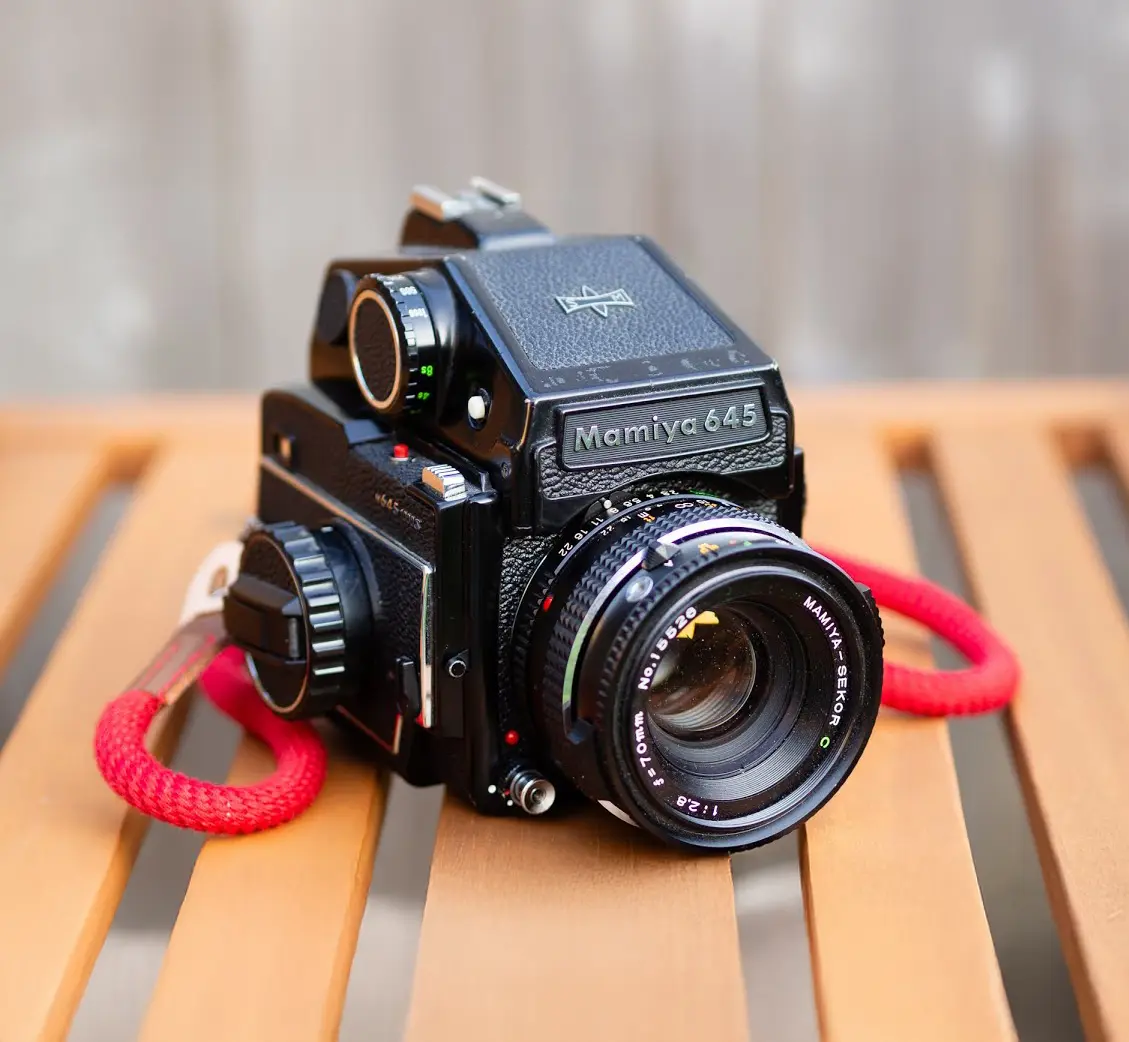
A Favourite Amongst Fashion Photographers (1975-2001)
Unit Sold: Unknown, but still highly regarded in professional circles
The Mamiya 645 revolutionised medium format photography with a more compact and affordable system bridging the gap between 35mm and larger studio cameras. This modular system offered interchangeable film backs and viewfinders while delivering exceptional 6×4.5cm negatives with 2.7 times more area than 35mm film.
Various models evolved over its production run, maintaining compatibility with an extensive lens system renowned for its optical excellence. The rectangular format provided a more natural composition frame than traditional square medium format, making it particularly popular for fashion photography where vertical orientation complemented human subjects.
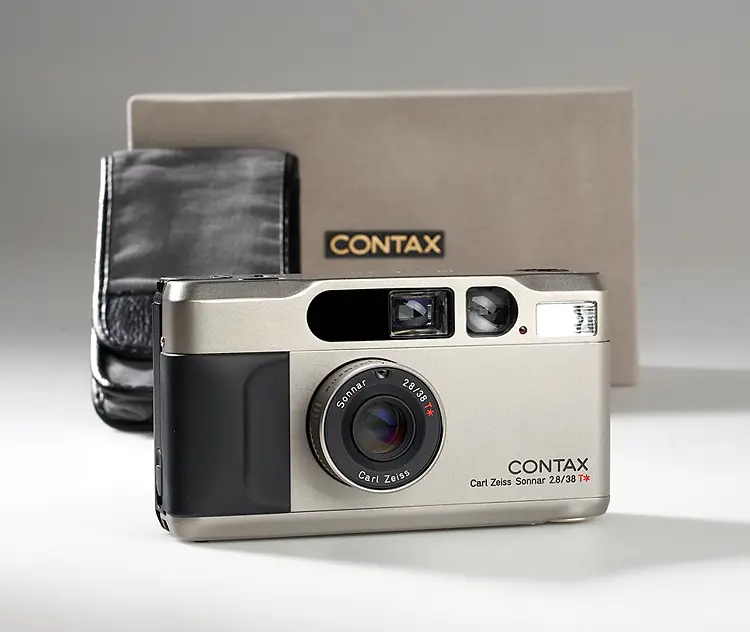
The Luxury Pocket Companion (1990–2005)
Units Sold: Unknown, but still highly sought after today
The Contax T2 epitomised premium point-and-shoot cameras with its titanium Porsche-designed body and exceptional Carl Zeiss lens, combining uncompromising image quality with sophisticated portability. It offered hybrid autofocus with manual override in a package small enough to fit in a jacket pocket.
Its timeless design commands prices exceeding £1,000 today as collectors and photographers seek out this analogue icon. The T2 found particular favour among fashion photographers and celebrities, and its continuing popularity in the digital age speaks to both its exceptional performance and status as a symbol of refined photographic taste.
Kodak Brownie
The People's Camera (1900–1960s)
Units Sold: Over 150 million
The Kodak Brownie democratised photography with its £1 price tag, transforming an elite pastime into a widely accessible hobby. Its simple cardboard design required no technical knowledge, while daylight-loadable film eliminated the need for darkroom skills.
The Brownie created the first generation of casual photographers and established the snapshot aesthetic that defined 20th-century vernacular photography. The Brownie 127 became Britain's best-selling camera in the 1950s, with its distinctive rounded design symbolising post-war optimism.
Leica M3
The Decisive Moment Machine (1954–1966)
Units Sold: Over 220,000
The Leica M3 represents the pinnacle of mechanical rangefinder perfection. Its innovative bright-line viewfinder with multiple frame lines and precise focusing mechanism gave photographers unparalleled control, while its whisper-quiet cloth shutter enabled discreet documentary work.
The M3's ergonomic design influenced cameras for decades, with its elegant proportions setting the standard for handling. Its bayonet mount system remained compatible across nearly 70 years, creating an ecosystem of exceptional lenses that photographers could invest in across generations.
Canon AE-1 Program
The SLR for Everyone 1981–1987)
Units Sold: More than 5.7 million
The Canon AE-1 Program democratised advanced photography by adding automatic exposure to an already successful design. Its lightweight plastic body broke with traditional metal construction, significantly reducing weight and manufacturing costs.
The AE-1 Program's microprocessor-controlled system pointed toward photography's digital future while offering exceptional value. Its programmable automatic mode allowed beginners to achieve professional results immediately, while manual controls provided room for growth as photographers developed their skills.
Nikon F3
The Photojournalist's Workhorse (1980–2001)
Units Sold: Over 750,000
Designed by Italian Giorgetto Giugiaro, the Nikon F3 balanced traditional mechanical engineering with cutting-edge electronic technology in a rugged package. Its titanium shutter, automatic exposure capability, and interchangeable viewfinders made it versatile for assignments from war zones to fashion studios.
The F3's unprecedented 21-year production run testifies to its near-perfect design. Its modular system accommodated specialised attachments, allowing customisation for virtually any professional application, while its distinctive red stripe became an instantly recognisable symbol of professional photography.
Mamiya 645
A Favourite Amongst Fashion Photographers (1975-2001)
Units Sold: Unknown, but still highly regarded in professional circles
The Mamiya 645 revolutionised medium format photography with a more compact and affordable system bridging the gap between 35mm and larger studio cameras. This modular system offered interchangeable film backs and viewfinders while delivering exceptional 6×4.5cm negatives with 2.7 times more area than 35mm film.
Various models evolved over its production run, maintaining compatibility with an extensive lens system renowned for its optical excellence. The rectangular format provided a more natural composition frame than traditional square medium format, making it particularly popular for fashion photography where vertical orientation complemented human subjects.
Contax T2
The Luxury Pocket Companion (1990–2005)
Units Sold: Unknown, but still highly sought after today
The Contax T2 epitomised premium point-and-shoot cameras with its titanium Porsche-designed body and exceptional Carl Zeiss lens, combining uncompromising image quality with sophisticated portability. It offered hybrid autofocus with manual override in a package small enough to fit in a jacket pocket.
Its timeless design commands prices exceeding £1,000 today as collectors and photographers seek out this analogue icon. The T2 found particular favour among fashion photographers and celebrities, and its continuing popularity in the digital age speaks to both its exceptional performance and status as a symbol of refined photographic taste.
The timeless magic of film
Film isn't merely a recording medium—it's a unique artistic voice with characteristics as distinctive as brushstrokes on canvas. Each emulsion offers photographers a particular palette of tones, grain structures and colour renditions that digital sensors simply cannot replicate, providing endless creative possibilities for those seeking authenticity in their images. Below are eight of the most popular and well-loved films from over the years.

Kodak Gold 200
Launched in the 1980s, Kodak Gold became one of the most popular consumer films ever made. Known for its warm colour rendition with slightly enhanced saturation, particularly in yellows and reds, it delivered pleasing results for everyday snapshots. Its affordability and forgiving exposure made it a favourite for family photography.
Still available for purchase.
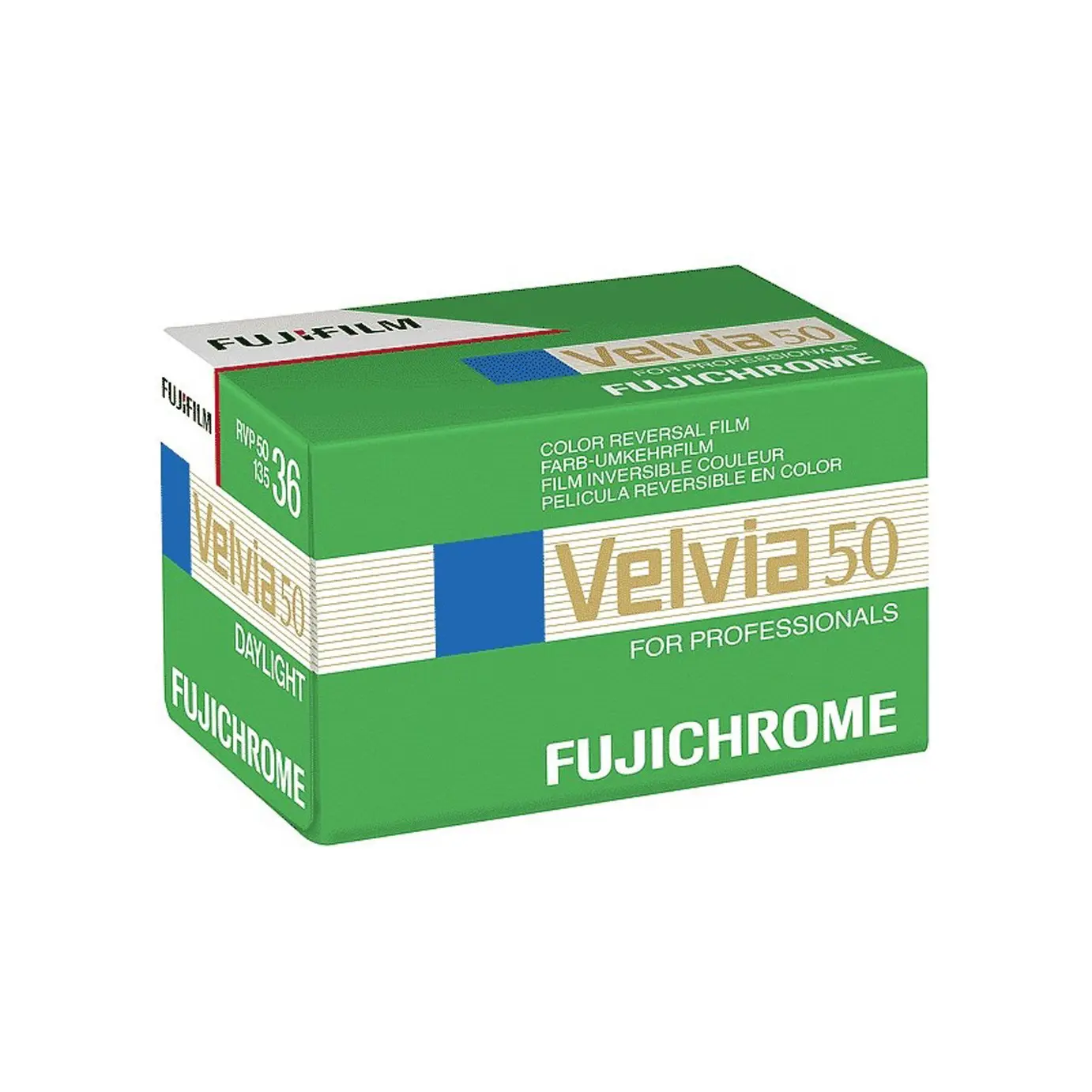
Fujifilm Velvia 50
Introduced in 1990, this slide film revolutionised landscape photography with its unprecedented colour saturation and micro-fine grain. Known for its electric blues, vibrant reds, and extraordinary sharpness, it became the standard for publication-quality nature photography.
Still available for purchase, though production has been limited.
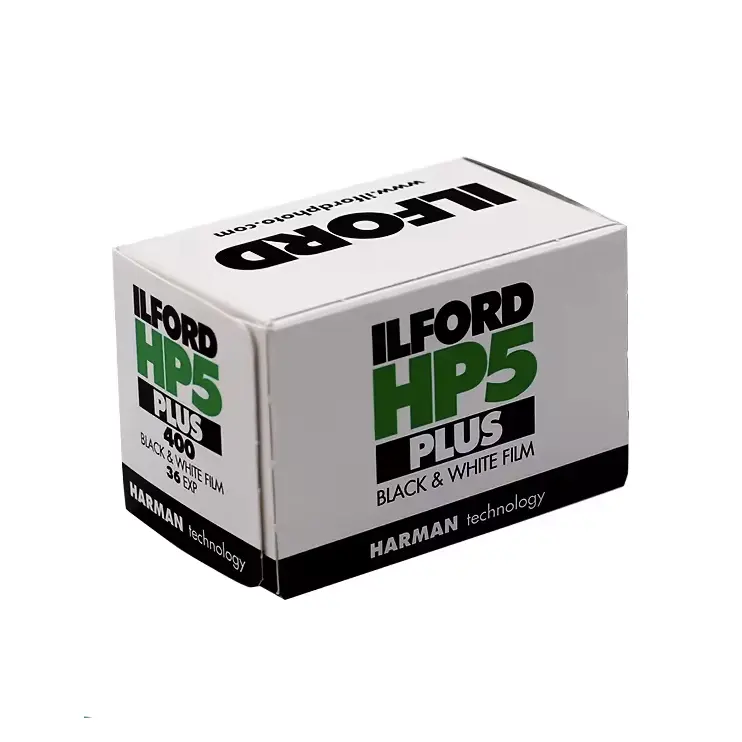
Ilford HP5+
This British film offers versatility with refined grain and flatter contrast than Tri-X, yielding extended tonal range. HP5+ responds exceptionally to push-processing, maintaining highlights even at 1600 ISO. Its smooth midtones made it popular for portraiture.
Still available for purchase.
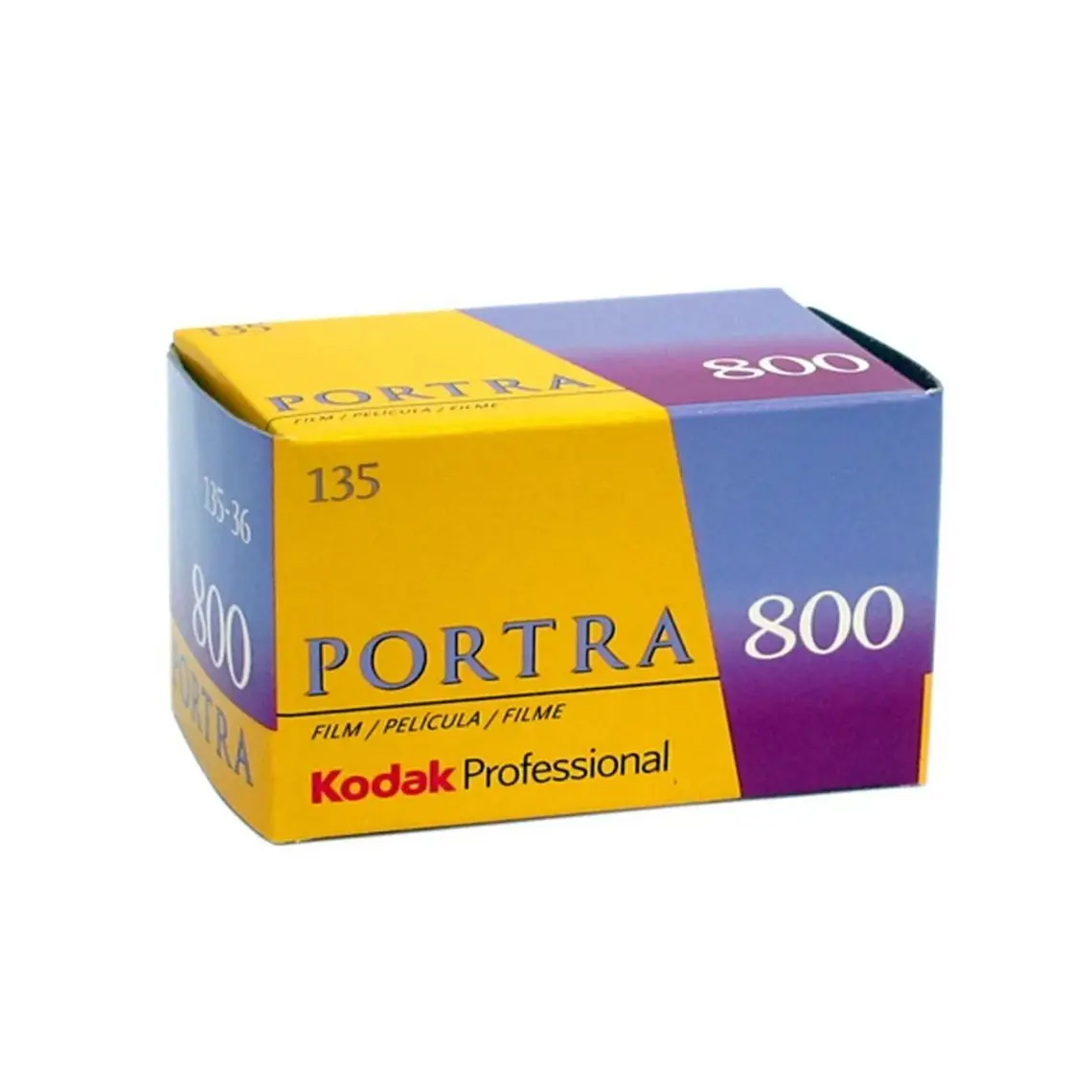
Kodak Portra
Introduced in 1998, Portra is renowned for its natural skin tones and subtle colour palette. Available in three speeds – 160, 400, and 800 ISO – it offers photographers flexibility for various lighting conditions while maintaining its signature fine grain and remarkable exposure latitude. Portra's gentle contrast and neutral colour balance allows for exceptional post-processing flexibility, making it the industry standard for professional portrait and wedding photographers.
Still available for purchase.
Kodak Ektar 100
Introduced in 2008 as a modern revival of an earlier film, Ektar features the finest grain of any colour negative film with incredibly rich saturation and exceptional sharpness. It produces vivid colours similar to slide film but with the exposure latitude of negative film, making it popular for landscape photography.
Still available for purchase.
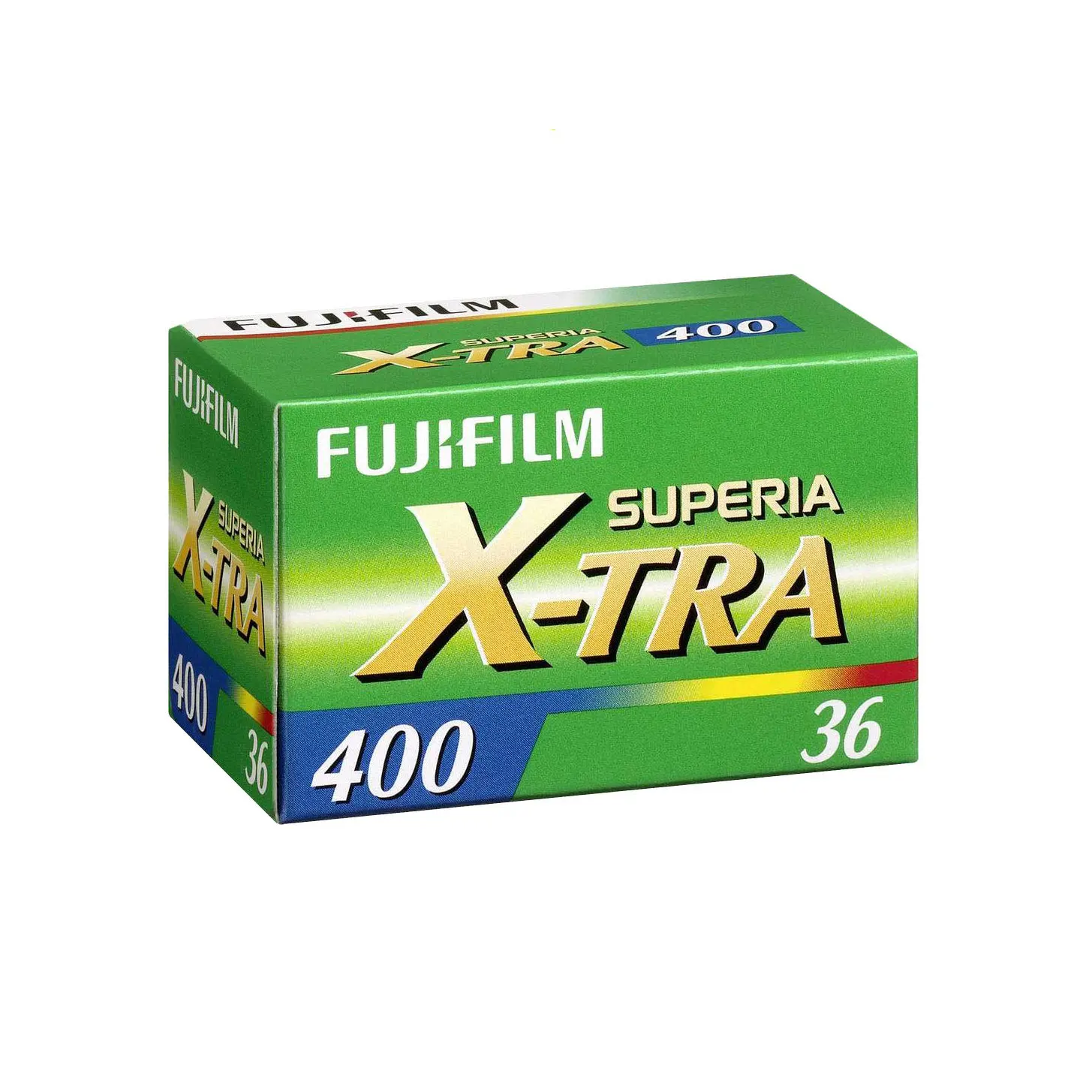
Fujifilm Superia X-TRA 400
Introduced in the 1990s, this consumer-grade film became popular for its vibrant colour reproduction and versatility across various lighting conditions. It features slightly cooler tones than Kodak counterparts, with enhanced greens that made it popular for nature photography.
Still available for purchase, though with limited distribution in some regions.
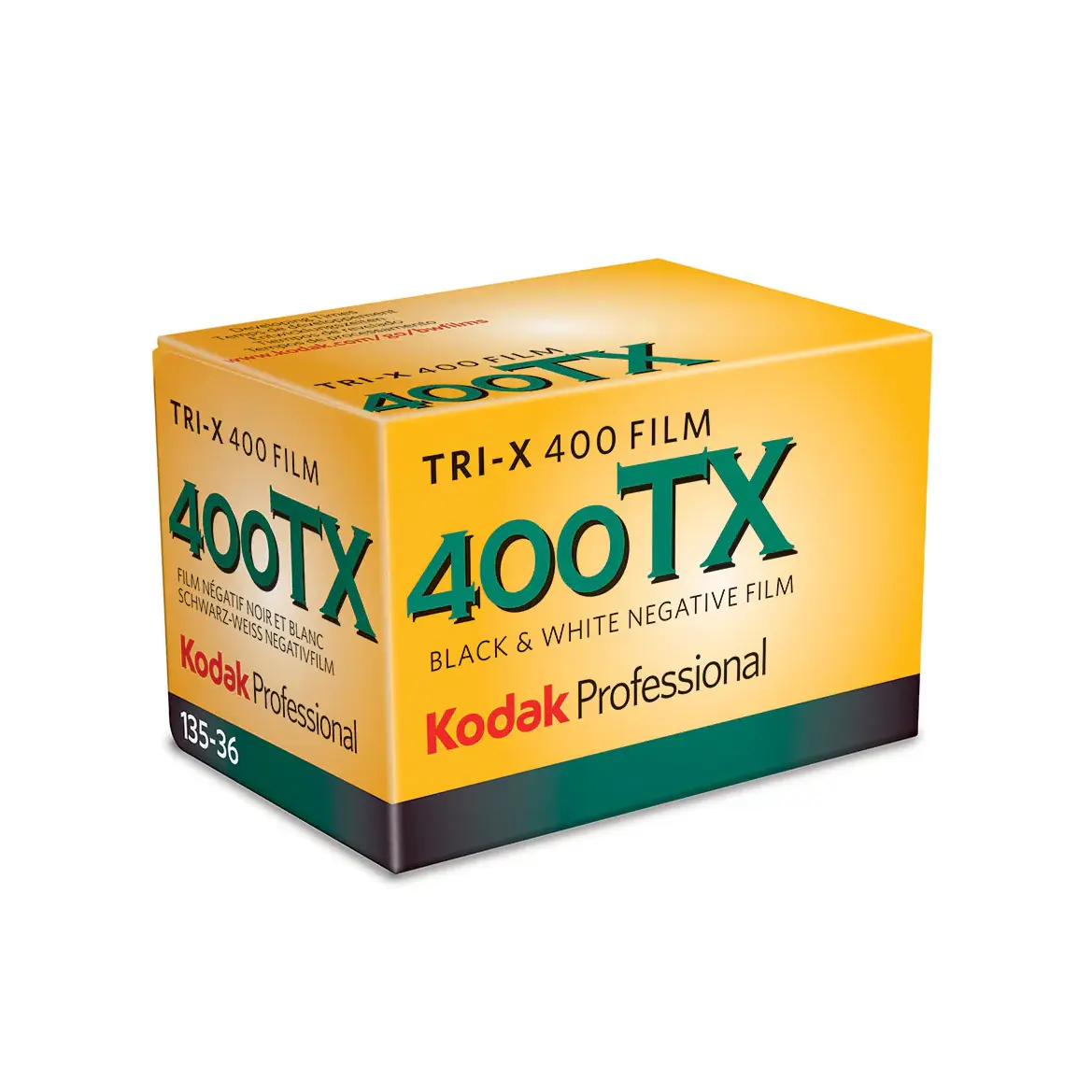
Kodak Tri-X 400
Introduced in 1940, Tri-X became the quintessential photojournalism film with distinctive grain and exceptional exposure latitude. When push-processed, it maintains shadow detail while developing dramatic contrast that defined reportage photography's visual language.
Still available for purchase.
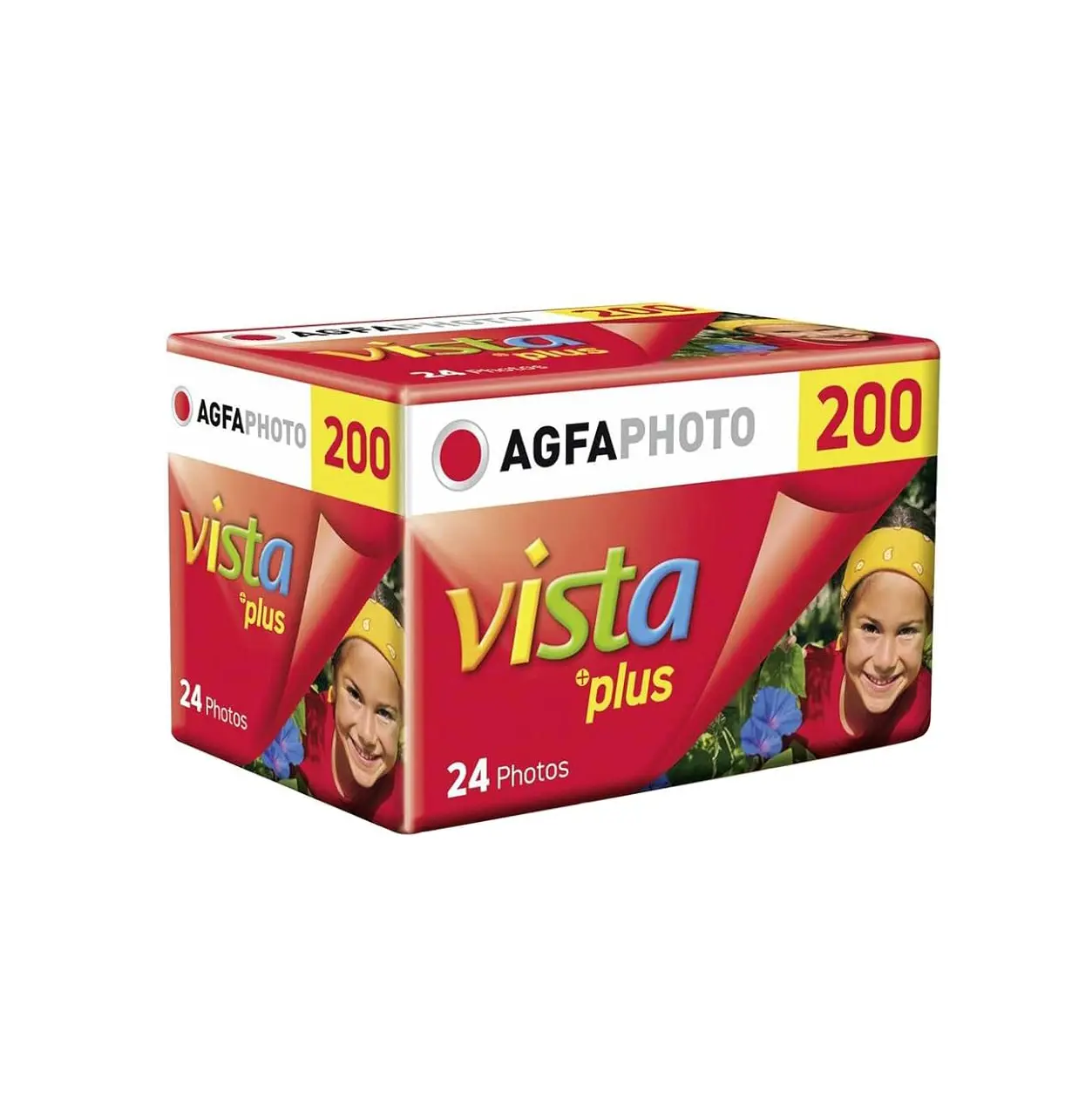
Agfa Vista 200
A consumer film known for its affordable price and pleasing colour rendition with subtle warm tones. It gained cult status among film photographers for its unique character at an accessible price point.
Discontinued in 2018.
An enduring resurgence? What's next for analogue photography
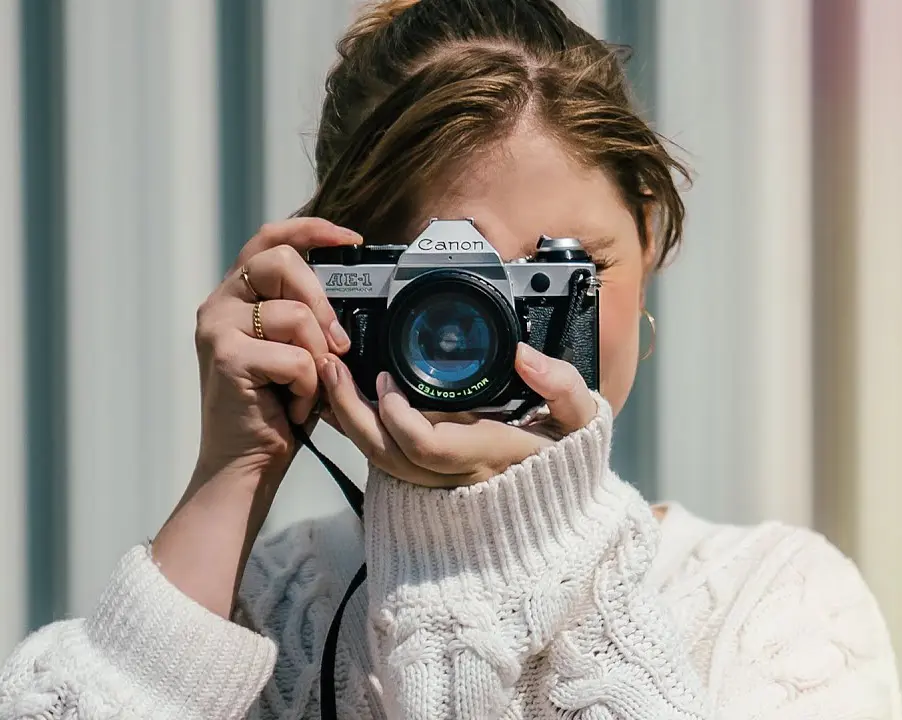


In today's digital world, film photography offers a refreshing alternative with its thoughtful, hands-on approach. Photographers enjoy the physical experience—from operating mechanical cameras to developing prints in the darkroom—creating a meaningful connection that digital simply cannot match. The limited exposures and delayed results encourage a more deliberate creative process that many find deeply rewarding.
Social media has ironically boosted film's comeback, with online communities sharing their analogue passion while manufacturers revive classic products. Film provides lasting physical objects in contrast to vulnerable digital files. What were once seen as technical limitations—grain, imperfections and unpredictability—are now celebrated as authentic qualities that give film photography its distinctive character and enduring appeal.